Virtual Habitat Consultation

Our Services

Remote Habitat Planning from Anywhere

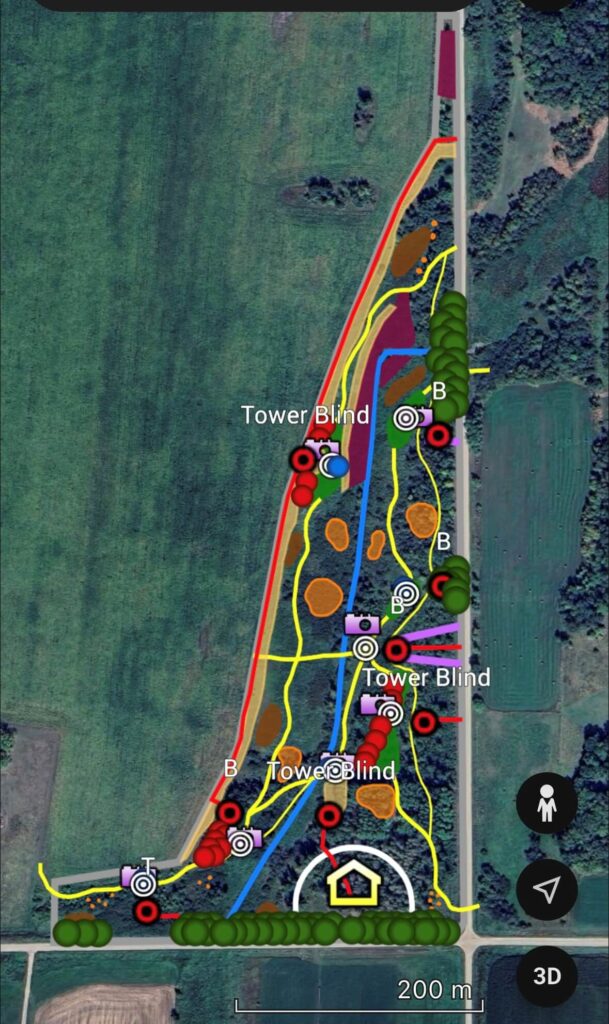
If you’re located outside our immediate travel range, no problem. Our virtual habitat consultation services allow you to benefit from our expertise using aerial imagery, topographic data, and your input. You’ll receive:

Perfect for DIY landowners who want guidance without a full on-site visit.

What We Offer

Other Services

On-Site Habitat Consultation

We walk your property with you and build a plan around:

  • Bedding area development
  • Food plot placement & design
  • Sanctuary layout
  • Stand access strategy
  • Property pressure control
  • 3–5 year improvement plan

You leave with a clear, actionable strategy — not just a sketch on paper.

Habitat Work and Management

Hands-on habitat improvements that turn your plan into action.

We can help with:

  • Timber stand improvement
  • Food plot clearing and planting
  • Invasive species control
  • Trail and access improvements
  • Bedding area construction
  • Water source development

We’ll work with you directly or partner with trusted local contractors to help get the work done right.

Bedding Area Development

If deer aren’t bedding on your property, they won’t move in daylight.

We help you create:

  • Security cover
  • Thermal bedding
  • Wind-advantage setups
  • Multiple low-pressure bedding pockets

Designed to hold deer year-round — not just pass them through.

Food Plot Strategy & Design

Food plots only work when paired with cover and access.

We focus on:

  • Proper placement
  • Soil health planning
  • Seasonal attraction strategy
  • Hidden plot design
  • Screening and entry routes

Because the goal isn’t just to attract deer.
It’s to keep them.

Whitetail Habitat Course & Classes

Spend a full day in the field learning how proven whitetail habitat strategies are planned and implemented on an actual hunting property.

Course topics may include:

  • Reading terrain and identifying natural deer movement
  • Recognizing existing and potential bedding areas
  • Planning food plots for nutrition and hunting
  • Selecting effective stand locations
  • Developing low-impact access and exit routes