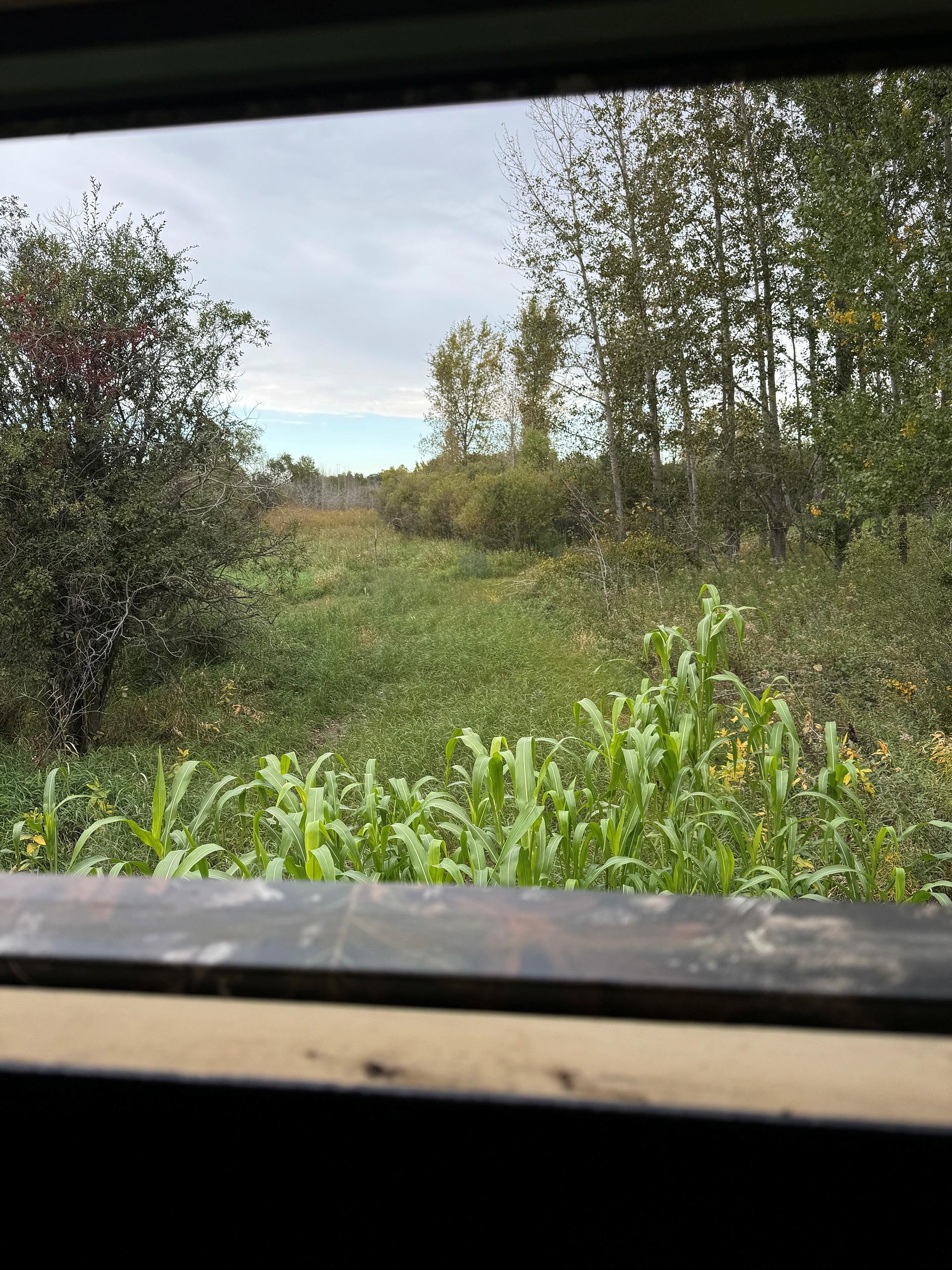
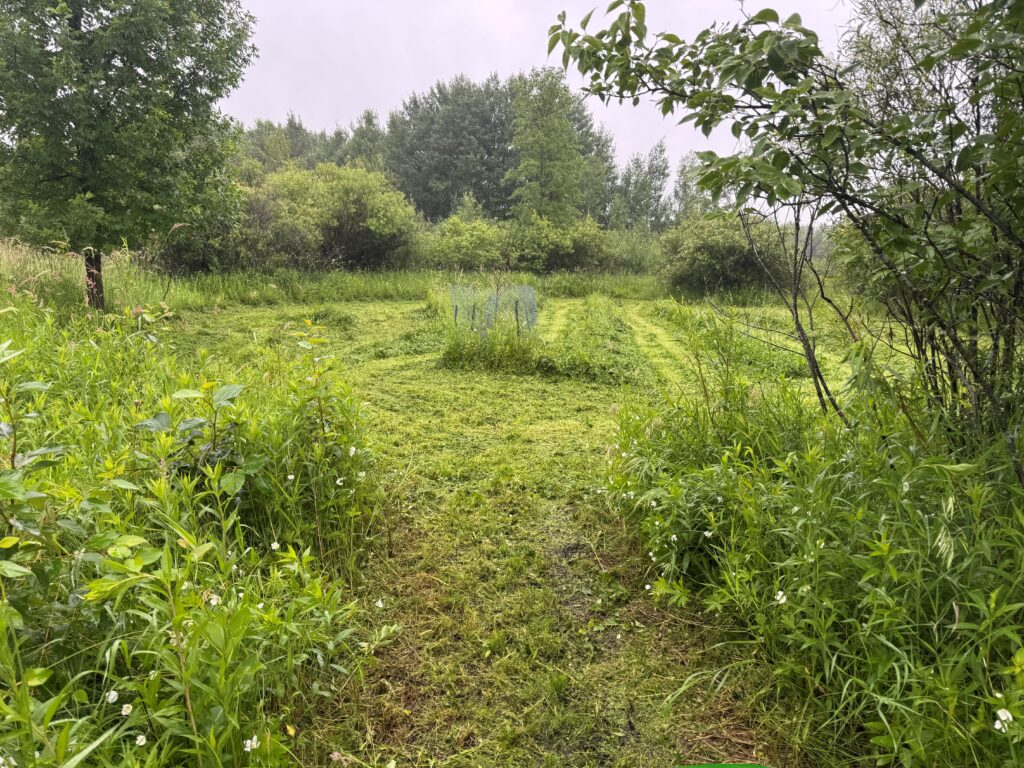
You invested in seed, fertilizer, equipment and several hours of work. The plot came up—but deer barely used it. Or perhaps it never grew well enough to attract anything.
When a food plot fails, landowners often blame the seed. In reality, unsuccessful food plots are usually caused by several factors working together.
Before buying another bag of seed, consider whether one of these common problems is limiting your results.
1. You Planted Before Testing the Soil
A food plot can’t reach its potential if the soil conditions don’t support healthy growth.
Low pH is a common problem in woodland plots and previously unmanaged ground. When soil is too acidic, plants may be unable to use the nutrients you apply—even after you invest in fertilizer.
A basic soil test can tell you:
- Current soil pH
- Lime requirements
- Phosphorus and potassium levels
- Fertilizer recommendations
- Whether the site is suitable for the crop you want to plant
Lime may require time to change soil pH, so testing well before planting season gives you an opportunity to correct problems.
Guessing at fertilizer and lime rates may produce an attractive plot, but it can also waste money without fixing the underlying issue.
2. You Chose the Wrong Seed for the Location
There is no single best food-plot seed for every property.
The right planting depends on soil type, drainage, sunlight, plot size, deer density and your goals for the site. A blend that performs well in a large agricultural field may struggle in a small woodland opening with limited sunlight.
Consider the conditions before selecting seed:
- Clover can be an excellent perennial option, but it requires appropriate soil conditions and maintenance.
- Brassicas can provide valuable fall and winter forage, but repeated planting in the same location can create disease and soil-management problems.
- Cereal grains such as winter rye can establish quickly and tolerate more challenging conditions.
- Oats can provide highly attractive early-season forage but may not remain available through a harsh northern winter.
- Soybeans can offer summer forage and late-season grain, but small plots may be heavily browsed before they mature.
Choose seed based on what the plot can realistically support—not simply what looks best on the bag.
3. The Plot Doesn’t Receive Enough Sunlight
Some seed blends are marketed as shade tolerant, but nearly every productive food-plot crop still needs sunlight.
Small openings surrounded by mature trees may receive only a few hours of direct light each day. Tree roots also compete with your crop for moisture and nutrients. This can leave plants thin, stunted or unable to withstand browsing.
Watch the plot at different times of day to determine how much sunlight actually reaches the ground. Selective tree removal may increase sunlight, but any cutting should fit the property’s broader habitat and timber-management goals.
Sometimes the best decision is to move the plot rather than repeatedly trying to force a planting into an unsuitable location.
4. Your Planting Depth or Seedbed Was Wrong
Seed-to-soil contact is critical, but different seeds require different planting methods.
Large seeds such as soybeans and peas can be planted deeper. Small seeds—including clover, chicory and brassicas—should generally remain close to the surface. Burying small seeds too deeply is a common reason plots germinate poorly.
A successful planting process often includes:
- Controlling existing vegetation.
- Preparing a firm, clean seedbed.
- Planting larger seeds at the appropriate depth.
- Firming the soil before broadcasting small seed.
- Broadcasting small seed across the surface.
- Lightly cultipacking again without burying it.
If your boot sinks deeply into the soil, the seedbed may still be too loose for small seeds. A firm seedbed improves seed placement and helps retain moisture.
Always follow the seed supplier’s recommended planting depth and rate.
5. Weeds Are Winning the Competition
Food plots don’t begin with a clean slate. Existing grasses and weeds compete for sunlight, moisture and nutrients.
Simply tilling an old grassy opening may make it look prepared, but disturbed soil can bring additional weed seeds to the surface. If weeds establish faster than the food-plot crop, they may overwhelm young seedlings.
Effective weed control begins before planting. Depending on the site and selected crop, the plan may involve:
- Mowing before weeds produce seed
- Applying an appropriate herbicide
- Allowing time for a second flush of weeds
- Preparing the seedbed after vegetation has died
- Selecting crops that permit future weed control
- Mowing or spraying perennial plots when necessary
Always read and follow herbicide labels. Make sure the product is appropriate for the crop, application site and target weeds.
6. Deer Are Eating It Before It Can Establish
A plot can germinate successfully and still appear to fail because deer browse it faster than it grows.
This is common with soybeans, peas and other highly attractive crops planted in small plots. High deer numbers can remove new growth before the plants develop enough leaf area to recover.
Trail cameras or temporary exclusion cages can help determine whether poor growth is caused by soil conditions or browsing pressure. If plants inside the cage thrive while everything outside remains short, deer density is likely part of the problem.
Possible solutions include:
- Increasing the total acreage planted
- Using a temporary electric fence
- Selecting a crop that tolerates browsing
- Improving native forage elsewhere
- Reducing deer numbers when appropriate
- Protecting the plot during early establishment
A small plot cannot be expected to feed an unlimited number of deer.
7. You Planted at the Wrong Time
Planting dates matter—especially in Minnesota, North Dakota and South Dakota, where growing seasons and weather windows can be short.
Planting too early may expose seedlings to heat, drought and weed competition. Planting too late may not provide enough growing time before frost. Brassicas planted too early can mature before hunting season, while cereal grains planted too late may not develop enough forage.
The ideal planting window depends on the crop, location and available moisture. A calendar date should be treated as a guide, not an absolute rule.
Whenever possible, plant ahead of a dependable rain rather than into dry soil with only a slight chance of precipitation.
8. The Plot Is in the Wrong Place
A productive food plot isn’t automatically a huntable food plot.
Deer may use it only after dark if it is:
- Too far from secure bedding cover
- Surrounded by open terrain
- Exposed to roads, homes or human activity
- Difficult to approach without being detected
- Located where your wind regularly reaches approaching deer
Food plots should be designed as part of the property’s complete habitat and hunting plan. Deer need secure travel routes between bedding cover and food, while hunters need concealed entry and exit routes that avoid disturbing those deer.
Shape and orientation also matter. An irregular or narrow plot can create more edge habitat and help guide deer movement past a stand. However, every plot must be designed around the conditions of the individual property.
9. You’re Putting Too Much Pressure on It
Sometimes the plot is working—but hunting pressure changes when deer are willing to use it.
Repeatedly checking cameras, driving close to the plot or hunting it under poor wind conditions can push daylight activity into nighttime. Evening exits can be especially damaging if deer are already feeding in the plot.
Use remote cameras where practical, limit unnecessary intrusion and hunt only when wind and access conditions are favorable.
The goal isn’t simply to grow food. It’s to create predictable daylight movement that you can hunt without alerting deer.
Build a Plot With a Purpose
A successful food plot requires more than good seed. Soil conditions, sunlight, weed control, planting technique, crop selection, deer density, weather, location and hunting pressure all affect the outcome.
Before replanting a failed plot, determine why it failed. Correcting the underlying problem will usually produce better results than buying a more expensive seed.